
Beyond Back Soreness: Why Your Horse's Pelvis is the Real Powerhouse (or Problem)
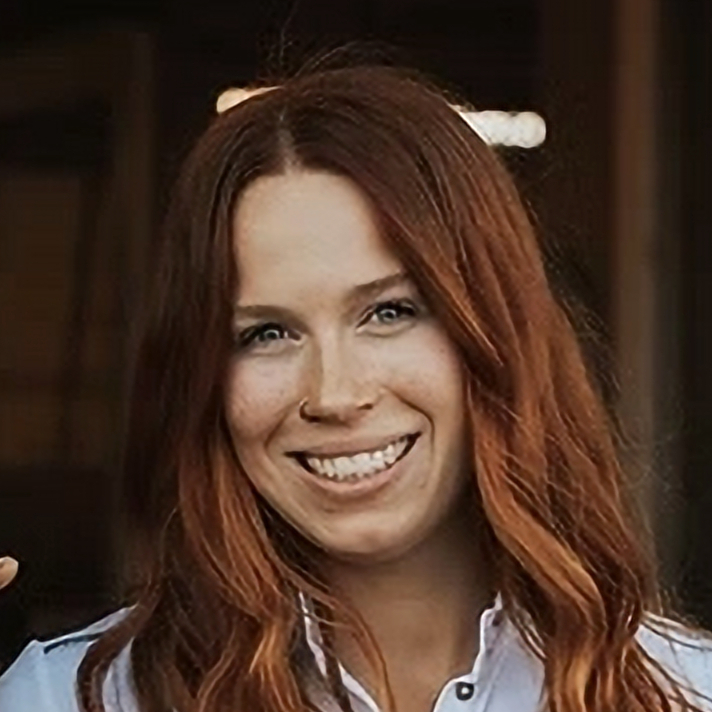
Precision in diagnosis is only half the battle; the rest is how we train once the horse leaves the clinic. Today, I’m hosting Kyra Fraser, our Director of Rehabilitation here at Kinetic Equine and head of Seven Hills Training.
Kyra’s specialty is translating clinical findings into a training plan. In this post, she explains why "back soreness" is often a symptom of a pelvic issue — and how she addresses it in rehabilitation and training to get horses moving correctly again.
As riders and trainers, we’ve all felt it: that moment when your horse feels "stuck," "not quite through," or struggles with collection. We often blame the back, the hocks, or even the saddle. But what if the real story is unfolding deeper, within the very engine of your horse – the pelvis?

At Seven Hills Training, my passion is helping riders connect what they feel with what’s actually happening inside their horse’s body. And for years, the more I’ve studied biomechanics, the more I've come to understand that the pelvis is not just a collection of bones; it’s the primary driver of hind-end power, impulsion, and true postural engagement. When it’s not functioning optimally, the ripple effect on performance can be profound.
Is it Back Soreness or Pelvic Dysfunction?
We often see horses with symptoms like:
Difficulty picking up or holding a canter lead
Swapping leads behind (or cross-cantering)
Resistance to lateral work or bending
Loss of impulsion or power
A general "stiffness" or lack of fluidity through the back
These are often attributed to generic "back soreness," but in many cases, the true culprit lies in subtle dysfunction within the pelvis. [Dr. Beth Byles of Kinetic Equine Medicine is currently deep-diving into the clinical 'why' behind these issues over on her blog—you can read her medical perspective here.] This area is notoriously challenging to diagnose clinically, and even harder to address effectively without a deep understanding of its function.
Connecting the Dots: Anatomy to the Arena
That’s why I'm so excited about our upcoming "Inside the Equine Body: Pelvis & Sacroiliac Dissection Workshop." With Dr. Beth Byles, we're literally going inside to see, feel, and understand these structures in a way that diagrams simply can't convey.
Imagine being able to visualize the ligaments connecting the ilium to the sacrum, or understand how muscle tension in the gluteals affects the movement of the SI joint. This isn't just academic; it directly impacts how you school your horse. When you understand how the pelvis articulates, you can:
Refine your aids to encourage true pelvic lift and engagement.
Identify subtle signs of asymmetry or discomfort much earlier.
Design exercises that genuinely strengthen the core and hindquarters, rather than just building surface muscle.
Ride with a deeper, more informed connection to your horse's movement.
This workshop is a rare opportunity to bridge the gap between abstract anatomical knowledge and the tangible improvements you can make in your daily training. It’s about empowering you, the rider and trainer, to become a more effective partner to your horse by truly understanding their foundation.
Join us on March 21 & 22 to unlock the secrets of the pelvis and transform your understanding of equine performance.
This article originally appeared on the Seven Hills Training blog. It is shared here as part of a collaboration between Kinetic Equine Medicine and Seven Hills Training.
Note: If you’re seeing this on The Science of Soundess blog on kineticequinemedicine.com, don’t forget that Dr. Beth and Kyra are hosting a live dissection workshop on March 21-22 to show you these structures in person. Check out the registration details above!

Comments